
Living in a noisy environment can be stressful and disruptive, especially at home where you want peace and relaxation. Whether it’s traffic sounds, loud neighbors, or household noises, reducing unwanted sound can improve your comfort and well-being. The good news is that there are many simple and affordable ways to cut down noise in your living space without major renovations.
In this post, we’ll explore practical tips and ideas to help you create a quieter home environment. From adjusting your furniture layout to using everyday items as sound absorbers, these strategies can make a noticeable difference.
Understanding Noise and Its Impact at Home
Noise is any unwanted or disturbing sound. It can affect your concentration, sleep, and overall mood. Common sources of noise at home include:
– Traffic and street noise
– Noisy neighbors or shared walls
– Loud appliances like washing machines or vacuum cleaners
– Pets and children playing
– Echoes and reverberations inside rooms
Reducing noise involves blocking, absorbing, or diffusing sound waves. By managing how sound travels and is reflected indoors, you can minimize its impact.
Simple Ways to Reduce Noise at Home
1. Use Soft Furnishings to Absorb Sound
Hard surfaces like walls, floors, and windows reflect noise, making rooms louder. Soft materials help absorb sound and reduce echoes.
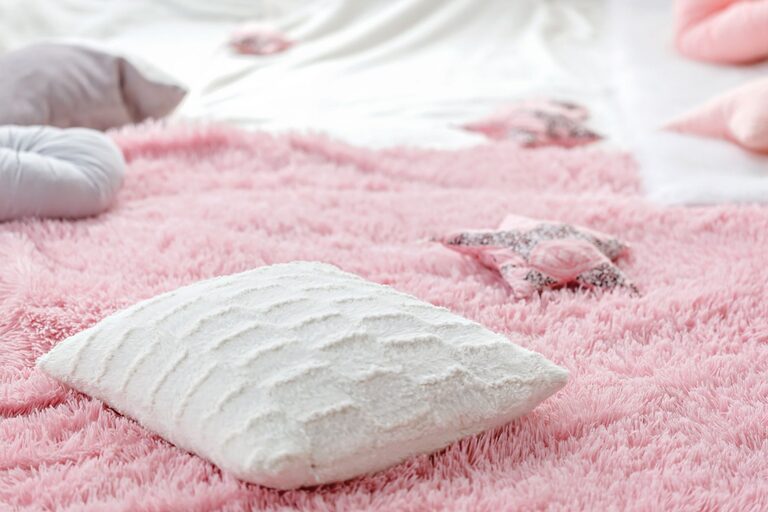
– Add rugs or carpets: Covering hard floors with thick rugs or carpets dampens footstep sounds and echoes.
– Install curtains or drapes: Heavy fabric curtains over windows and walls absorb noise from outside.
– Use cushions and pillows: Placing plush cushions on sofas and chairs can reduce sound reflections.
2. Rearrange Your Furniture Strategically
Furniture placement can help block or absorb noise:
– Place bookshelves against shared walls: Filled bookshelves act as natural sound barriers between rooms or neighbors.
– Position sofas and armchairs away from noisy windows: This can reduce direct exposure to street noise.
– Use upholstered furniture: Sofas and chairs with fabric coverings absorb sound better than leather or plastic ones.
3. Seal Gaps and Cracks
Noise often enters through small openings in doors, windows, and walls.
– Use weatherstripping: Apply adhesive weatherstrips around door and window frames to seal gaps.
– Install door sweeps: Attach a door sweep to the bottom of exterior and interior doors to block sound leaks.
– Seal cracks: Use caulk or sealant to close cracks around window frames, vents, and electrical outlets.
4. Add Soundproofing Materials
For more effective noise reduction, consider adding specific soundproofing elements:
– Acoustic panels: These can be mounted on walls or ceilings to absorb sound waves.
– Mass-loaded vinyl: A dense material that can be applied inside walls or under floors to block sound.
– Double-glazed windows: These have two layers of glass with an air gap, reducing external noise significantly.
5. Use White Noise Machines or Fans
Sometimes blocking noise completely isn’t possible. Adding consistent background noise can mask disruptive sounds:
– White noise machines: Produce soothing, steady sounds such as rainfall, ocean waves, or static to cover unwanted noise.
– Fans or air purifiers: These create ambient noise to distract the ear from sudden loud sounds.
6. Manage Noisy Appliances and Electronics
Some household devices create unnecessary noise:
– Choose quieter models: When purchasing appliances, look for noise ratings or “quiet” features.
– Place noisy machines away from living or sleeping areas: Move washing machines or HVAC units to basements or utility rooms if possible.
– Use pads or mats: Place anti-vibration mats under washing machines or speakers to reduce sound transmission.
7. Create a Quiet Zone
Designate a specific area in your home for relaxation and quiet time:
– Choose a room with fewer windows and doors facing noisy areas.
– Decorate with sound-absorbing elements like rugs, curtains, and upholstered furniture.
– Limit the use of electronics and devices that produce noise in this space.
Additional Tips to Keep Your Home Quiet
– Close doors: Open doors let noise travel freely between rooms.
– Limit noisy activities during quiet hours: Try to schedule loud chores during daytime.
– Talk to neighbors: Politely discuss noise concerns to find mutual solutions.
Final Thoughts
Reducing noise at home doesn’t have to be complicated or expensive. By using soft furnishings, sealing gaps, rearranging furniture, and adding simple sound-masking devices, you can enjoy a more peaceful and comfortable environment. Start with small changes and see how much quieter your home can become.
Creating a calm space helps improve your focus, rest, and overall happiness—making your home a true sanctuary.
About the Author