
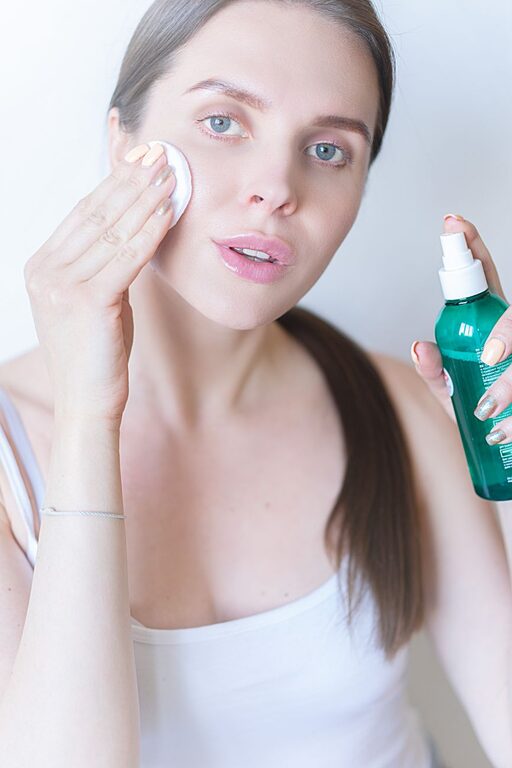
Starting a skincare routine can feel overwhelming with so many products and advice out there. But building a basic, easy-to-follow skincare routine is simpler than you might think. A consistent routine helps maintain healthy skin, improves your complexion, and prevents common concerns such as dryness or breakouts. This guide will walk you through the essential steps and tips to start your own basic skincare routine.
Understanding Your Skin Type
Before choosing products, it’s important to identify your skin type. Knowing whether your skin is oily, dry, combination, or sensitive will help you select the right ingredients and techniques.
– Normal skin: Balanced, not too oily or dry, minimal blemishes.
– Oily skin: Shiny appearance, prone to enlarged pores and acne.
– Dry skin: Flaky, rough, tight, or itchy feeling.
– Combination skin: Oily in some areas (usually T-zone) and dry or normal elsewhere.
– Sensitive skin: Prone to redness, irritation, or allergic reactions.
If you’re unsure, you can consult a dermatologist or try simple tests, like the “tissue test” — gently press a clean tissue on your face after a few hours without washing to see if it picks up oil.
Basic Skincare Routine Steps
A basic skincare routine typically involves three key steps: cleansing, moisturizing, and sun protection. Here’s how to get started:
1. Cleansing
Cleansing removes dirt, oil, and impurities that accumulate throughout the day or overnight.
– Choose a gentle cleanser suited for your skin type. For example, gel or foam cleansers work well for oily skin, while cream or lotion cleansers are better for dry or sensitive skin.
– Use lukewarm water, as hot water can strip natural oils and cause dryness.
– Apply cleanser with your fingertips, massaging gently in circular motions.
– Rinse thoroughly and pat dry with a soft towel.
Tip: Cleanse twice daily — morning and night — to keep your skin fresh without over-drying.
2. Moisturizing
Moisturizers help hydrate the skin and maintain its protective barrier.
– Pick a moisturizer that fits your skin type: lightweight, oil-free formulas for oily skin; richer creams for dry skin.
– After cleansing and drying your face, apply a small amount of moisturizer using upward strokes.
– Don’t forget your neck area—skin here can show signs of aging too.
Tip: If your skin feels oily during the day, consider using a gel-based moisturizer or applying it only at night.
3. Sun Protection
Protecting your skin from the sun is one of the most important steps to prevent damage, premature aging, and skin cancer.
– Use a broad-spectrum sunscreen with at least SPF 30 every day, even if it’s cloudy.
– Apply sunscreen as the last step in your morning skincare routine.
– Reapply every two hours if you are outdoors.
Tip: Some moisturizers come with built-in SPF, which can simplify your routine.
Optional Additional Steps
Once you feel comfortable with the basics, you can consider adding some optional steps based on your skin needs.
Exfoliation
– Exfoliating removes dead skin cells and can brighten your complexion.
– Use a gentle exfoliant 1–2 times a week.
– Avoid harsh scrubs that can cause irritation, especially if you have sensitive skin.
– Chemical exfoliants (like those containing AHAs or BHAs) are often gentler and effective.
Serums and Treatments
– Serums contain concentrated ingredients targeting specific concerns like acne, aging, or dryness.
– Apply serums after cleansing and before moisturizing.
– Start with one serum to see how your skin reacts.
Eye Cream
– The skin around your eyes is delicate and may benefit from a moisturizing or anti-aging eye cream.
– Pat gently using your ring finger to avoid pulling the skin.
Tips for Maintaining Your Routine
– Consistency is key: Regularly following your routine gives the best results over time.
– Patch test new products: Apply a small amount on your inner wrist or behind your ear first to check for reactions.
– Keep products clean: Avoid contaminating skincare items by washing your hands before use and closing containers tightly.
– Adjust according to season: You may need richer moisturizers in winter and lighter ones in summer.
– Stay hydrated and eat balanced meals: Skincare isn’t just about products; good lifestyle habits also positively impact your skin.
Common Mistakes to Avoid
– Over-washing or over-exfoliating, which can strip natural oils and cause sensitivity.
– Using too many products at once, which can overwhelm your skin.
– Neglecting sunscreen, even on cloudy days or indoors near windows.
– Skipping moisturizer because your skin feels oily — hydration is necessary for all skin types.
– Picking or touching your skin unnecessarily, which can lead to irritation or infections.
Final Thoughts
Starting a basic skincare routine is an excellent step toward healthier, more radiant skin. Remember, simplicity and consistency matter most. Begin with cleansing, moisturizing, and sun protection, then gradually explore additional products if needed. Listen to your skin and adjust accordingly. With time, you’ll find a routine that feels natural and effective for you.
Taking care of your skin not only improves its appearance but can also boost your confidence and well-being. So why not start today? Your skin will thank you!
About the Author